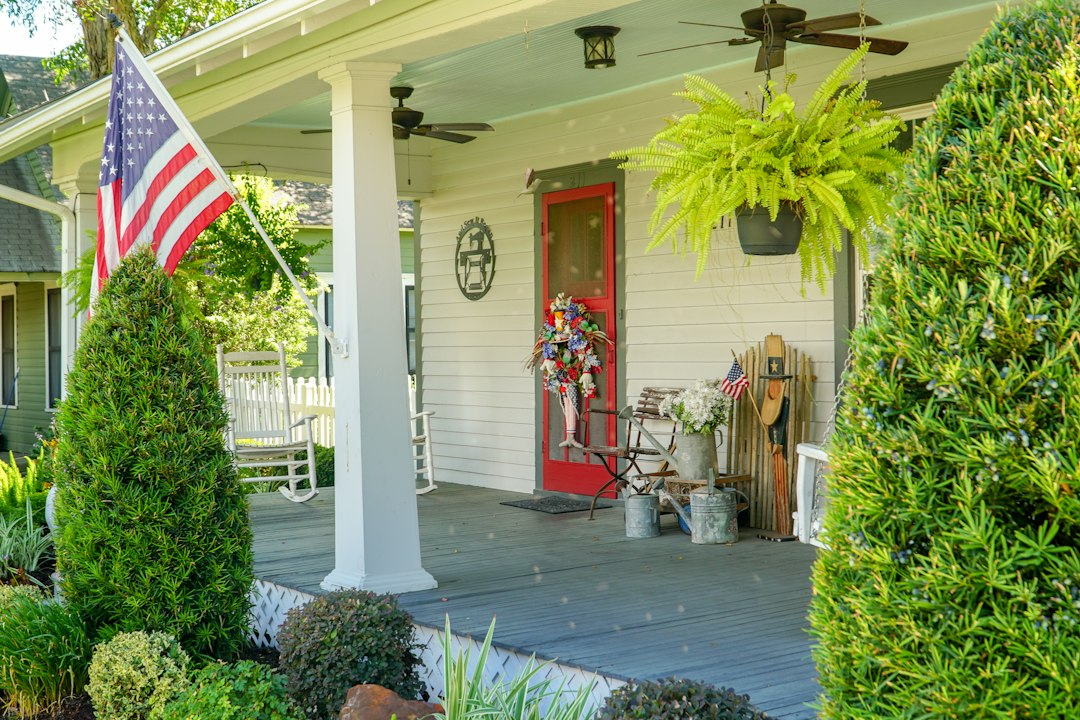
A goal with people at its heart
100 Homes is our property-giving vision, not a count of homes received or a promise of 100 operating shelters. Donated properties could support housing directly, be used with qualified service partners or be responsibly sold to fund charitable programs, consistent with accepted gift terms.
Safety for survivors of domestic violence
Planned uses include confidential temporary shelter for survivors and their children, developed with experienced survivor-service organizations. A safe place to stay would be paired with appropriate safety planning and connections to ongoing support.
Stability during homelessness or job loss
Temporary and transitional housing could give individuals and families facing homelessness, unemployment or a sudden loss of income time to regain stability. Potential partnerships would connect residents with benefits, employment resources and longer-term housing.
A place for families displaced by storms
Short-term housing could support households displaced by storms, flooding or other disasters while they pursue recovery and a stable return home. This is a development concept, not a current disaster-response deployment.
Safe, affirming housing through life transitions
We envision temporary and transitional housing for people facing displacement, family rejection, discrimination or a major life transition. This includes LGBTQ+ people and people from racial, ethnic and other marginalized communities whose circumstances leave them without safe housing. Services would respect each person’s dignity, privacy and identity.
Keeping families close during medical care
Another planned use is short-term lodging for families and caregivers who must travel for a loved one’s treatment. Family-centered lodging models demonstrate the value of a place to rest, prepare meals and stay connected during a difficult period. TCF’s concept would be developed with appropriate healthcare and community partners.
Older adults, caregivers and veterans
Suitable properties could also support accessible transitional housing for older adults, people with disabilities, caregivers and veterans facing housing instability. Each program would be designed around the property, local needs and the services required to operate responsibly.
From donated property to responsible service
Every proposed use requires title and property review, an operating budget, appropriate staffing and partners, and applicable zoning, safety, accessibility, licensing and insurance arrangements. A gift does not create an immediate housing placement. TCF is not currently advertising open shelters or accepting residential admissions.
Help turn the vision into a place
We welcome conversations with property owners, housing providers, survivor-service organizations, healthcare partners and supporters. The same framework can grow across states as local capacity and partnerships develop. For current local housing assistance, contact 211; for immediate danger, call 911.
GO A LITTLE FURTHER
Useful resources.
Information from independent organizations. Links do not imply a TCF partnership; each provider sets its own requirements.
- Family lodging example: Ronald McDonald House Central Texas
An independent example of lodging that keeps families near a child’s medical care. No TCF affiliation is implied.
- Inclusive housing example: Covenant House
Learn about an established organization’s support for LGBTQ+ young people experiencing homelessness. Its age-specific services are separate from TCF’s proposed model.
- Find current local housing resources
Connect with existing community services while TCF’s housing vision is in development.